
Tasting Notes and Scores
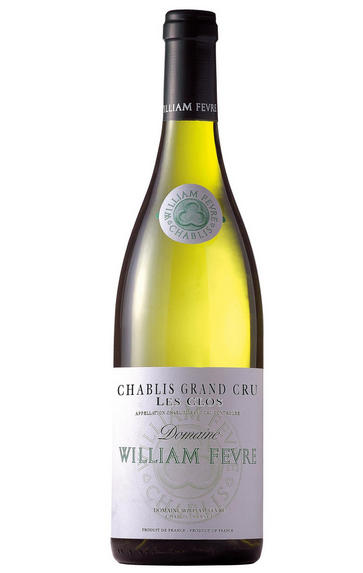
The 2012 Chablis Grand Cru Les Clos isprincipally situated on the upper parts of the slope with more limestone soil and where half the vines were originally planted by William Fevre’s father during the 1940s. Allowing the glass five minutes to really open, the Les Clos has a very well-defined, mineral-driven bouquet with light granitic scents coming through with continued aeration. It shares the salinity of the Les Preuses, but with perhaps a little more richness and natural harmony toward the finish that just glides across the mouth. Superb. Drink 2017-2035. In my previous life working for a Japanese importer, William Fevre happened to be our supplier of Chablis. This was in the twilight days of its family status, just before the company was acquired by the champagne house, Joseph Henriot in 1998, precipitated by the retraite of William Fevre himself. In 1959, he had joined Domaine de la Maladiere and set about purchasing choice cuts of premier and grand cru vineyard during Chablis’ nadir in the 1960s. He subsequently fought for the notion of le vrai Chablis, vociferously opposing the INAO’s ambitions to expand the boundaries of the region and potentially dilute quality. Then, after a long and successful career and with neither daughter bitten by the wine bug, he had little option but to sell the company. Somewhat confusingly Henriot henceforth changed the marque to William Fevre. The man himself can still be seen walking around the winery, popping into its popular bistro to keep an eye on everything. Now well into his 80s, he is a little hard of hearing, but his interest in both his company and the region remains undimmed and was still tangible when I met him again. His retirement marked a point where their oft-lamented oaky, buttery Chablis erred toward a crisper and mineral-driven style. Oak barrels are not eschewed per se, but there is now a more prudent and sympathetic usage so that it complements rather than dominates the fruit. Since the late 1990s, their wines became more terroir-driven and more in tune with what consumers were seeking in Chablis. While the enterprise is too large and commercial to have the kudos of, say, Francois Raveneau or Vincent Dauvissat, I cannot think of a better introduction to the region. Quite rightly, William Fevre is now one of Chablis’ most respected producers. For this tasting, I sampled their entire range of 2012s, both from the negociant and domaine side of the business, which have been labelled accordingly. Head winemaker Didier Seguier was on hand to guide me through. Didier was born in Cognac but grew up in Blaye in Bordeaux. He had to move sticks in 1992 when he won his first post at Bouchard Pere et Fils, working alongside Philippe Prost. He was appointed technical director at William Fevre after the company had been sold to Henriot and thereafter abandoned the use of new oak so that the average barrel age is 5 or 6 years (sourced from Bouchard as you might expect.) Didier oversaw the conversion of their vines to organic viticulture in 2006, although there is no certification. “Most of the vines are through massal selection and tend to give weak yields, so green harvesting is not necessary,” he explained. “We began to harvest on September 20 to conserve the acidity,” he told me. “We harvested between 8 and 10 days, which is very quick for a 50-hectare estate with 90 different parcels. Nowadays, we are 100% organic, but we are not certified and to be honest, it does not interest me. We started biodynamic trials in 2010. With regard to the 2012, it is the most homogenous vintage in the fifteen years since I have been here. C’est un grand millesime. The wines are fruity with lots of purity and it will be a vintage to cellar. Compared to 2011 and 2013, those vintages have slightly less acidity and they are vintages of pleasure that should be consumed earlier than 2012.” For several years, William Fevre has chosen to bottle its entire range under DIAM cork. As for the wines they shield from TCA, well, it was as expected, an almost clinical journey through the finest enclaves of Chablis. There is always a sense of complete control with regard to William Fevre. Part of me suspects that they will never produce the greatest Chablis of a vintage – there is not enough of the maverick to peel one of their grand crus away from the peloton and create something truly exceptional. On the other hand, it is difficult to find another wide-ranging portfolio that does not put a foot wrong and delivers quality where you expect it. Importer: Henriot Inc. and John E. Fells (UK)
Neal Martin
Robert Parker
2014-08-28
One of the highlights in this range of 2012s, the Chablis Les Clos is totally seamless from start to finish. The flavors are bright, floral and citrus-inflected, much like the Preuses, but with a little more textural depth to round out the edges. Sweet spice and floral overtones add further nuance on the silky, polished finish.
Antonio Galloni
Vinous
2014-08-01
(done in 70% oak, with the barrels averaging four or five years of age): Slightly hazy pale yellow-green. Soil-driven scents of citrus peel, anise, spices and white pepper, with a hint of toast; this smells profound. Boasts a silky texture and outstanding volume and power, with powerful concentration to the flavors of lemon, minerals, spices and oregano. Offers a magical combination of richness and precision and a slowly building, extremely long finish. This is plenty taut but the Valmur is even tighter today. Great potential!
Stephen Tanzer
Vinous
2013-07-01
Wine Advocate August, 2013 The Fevre 2012 Chablis Les Clos – tasted some six or more months ahead of bottling – puts the hierarchy of crus into perspective with a performance of amazing concentration and complexity. A saline and alkaline sea breeze alliance, chalk dust, fresh lemon and tangerine, iris, and greenhouse-like profusion of leafing things leap from the glass. This comes to the palate with exhilarating electric intensity and lift, suffused with mineral elements and lees for a combination of textural caress and density, yet at the same time brightly refreshing in its tart-edged evocation of firm apple and fresh citrus. Oyster liqueur floods the finish with salivary gland-milking concentration even as a torrent of juicy citrus is unleashed. This should remain profoundly memorable through at least 2024. ()
Wine Advocate
Fine acid with a fleshy, fruity body – that classic grand cru Chablis style. Very rewarding and complex already, but has much further to go. Drink: 2016 to 2030 (RH)
Jancis Robinson
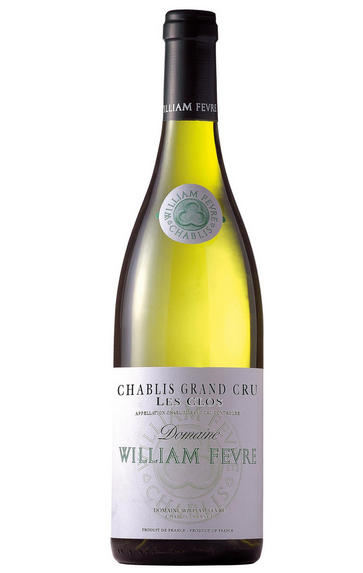
Burgundy
View loose bottle(s) available.
Burgundy
View 12 pack case(s) available.
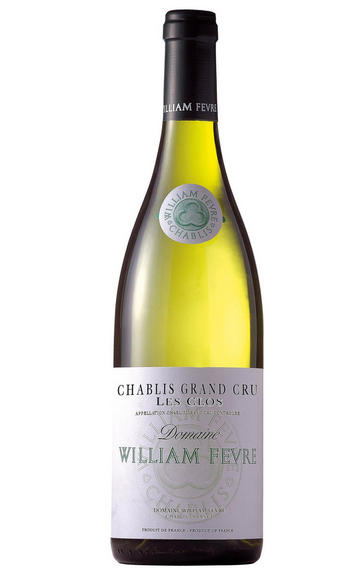
Burgundy
View 3 pack case(s) available.
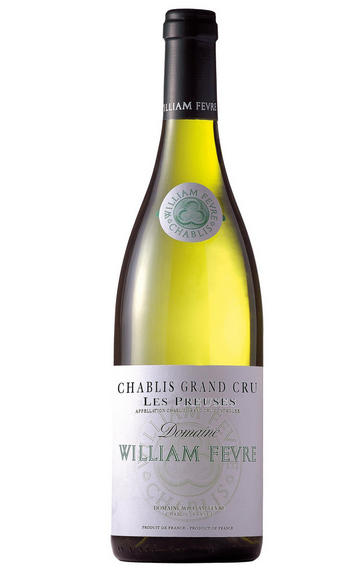
Burgundy
View 6 pack case(s) available.

Pricing includes duty and VAT.
Want To
get In TouchPlease contact the LiveTrade team today for more information or to book a demo.
Contact us