

Tasting Notes and Scores
The 2010 Chablis Les Clos is nicely layered in the glass. Honey, apricot, tangerine and perfumed floral notes take shape in the glass, but the 2010 remains slightly reticent. With time in the glass the wine freshens up nicely. Lime, oyster shells and an assortment of saline-infused aromas and flavors linger on the close. Ideally, the 2010 is best left alone for another year or two, even if it is delicious today.
Antonio Galloni
Vinous
2013-08-01
The Brocard 2010 Chablis Les Clos leads with a notably dusty, chalky aromatic burst, and delivers a strikingly shimmering interaction of lime, apple, and winter pear with salt, chalk, iodine, and crystalline nuances on a firm yet subtly lees-enhanced palate. Finishing with impressive length and ample primary juiciness, if a certain austerity (today anyway), this doesn’t quite engage the salivary glands or the imagination to the same degree as the 2011. But I am confident that this will be well worth following through at least 2020. Julien Brocard reports unproblematic alcoholic fermentations and malo-lactic conversions in his 2012s, although the grand crus among them were not at a stage in elevage and assemblage that he felt permitted them to be assessed at the time of my June visit. The substantial subset of Brocard 2012 premier crus I tasted was determined by limitations of time; Brocard’s notion of wines that were at a perspicuous point in their elevage; and my choices of certain crus that I did not want to miss. Virtually all of the Brocard crus are now being farmed biodynamically and major inroads in that direction have been made with their village-level vineyards, too (most notably in the historical core of the family’s holdings that constitute the Domaine Sainte Claire). Julien Brocard is of the opinion that 2012 presented the sort of test in extremity that biodynamics at his domaine under-went as well in 2003, and that not only does this approach conduce to quality, but also to more regular yields. Yields from those vineyards that weren’t being biodynamically farmed, he reports, nosedived in both vintages while the others experienced only a small dip. Potential alcohol in 2012 was only slightly higher than in 2011, and nowadays most Brocard wines weigh-in well below 13%; but most of the sizeable share of 2011s I tasted – both the more exuberant among them, and some that were, for now at least, more restrained – share a disarming and delightful sense of levity. Vinificatory vessels at this address continue their nearly decade-long trend toward diversification, with larger barrels, full-fledged foudre and concrete eggs all supplementing the more prosaic stainless steel tanks and barriques. Incidentally, like Fevre, Brocard is now utilizing DIAM composite cork to stopper their wines, right up through grand cru. Various importers, including: Chambers & Chambers, San Francisco, CA; tel. (415) 642-5500, M.S. Walker, Sommerville, MA; tel. (617) 776-6700 and Verity Wine Partners, New York, NY; tel. (212) 683-8763
David Schildknecht
Wine Advocate
2013-08-29
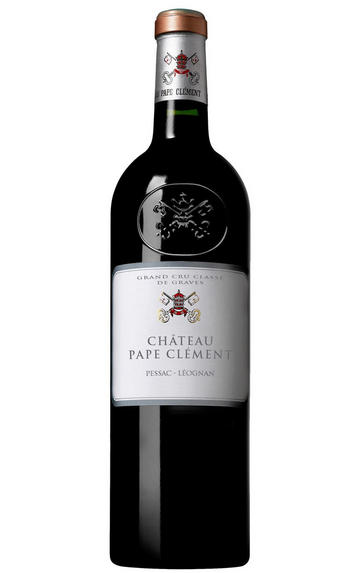
Bordeaux
View 3/6/12 pack case(s) available.

Rhone
View loose bottle(s) and 12 pack case(s) available.
Rhone
View 12 pack case(s) available.

Coastal Region
View 6 pack case(s) available.

Pricing includes duty and VAT.
Want To
get In TouchPlease contact the LiveTrade team today for more information or to book a demo.
Contact us