

Tasting Notes and Scores
The 1996 Vin de Constance is has a lucid amber hue. The nose is very engaging: marmalade, seaweed, quince, frangipane and a touch of chlorine – more like a mature Barsac than mature Sauternes. The palate is medium-bodied with a restrained viscous entry of mandarin, orange rind and quince. It is nicely focused and precise, even if it does not quite possess the delineation of the 2007 and 2008 on the finish. Very fine. When Duggie Jooste purchased the derelict Klein Constantia estate in 1980, it was the catalyst for a long-overdue renaissance for the entire region, one that continues today. Winemaker Adam Mason was instrumental in improving quality and consistency in recent years before he departed Mulderbosch in 2011 following the sale of the estate to Czech-U.S. “zillionaire” Zdenek Bakala and UK banker Charles Harman. The merger with Anwilka, in which both Hubert de Brouard and Bruno Prats are shareholders, subsequently followed and you might have thought that the upheavals would affect the quality of the wines. Not so. I was impressed by the quality of the Sauvignon Blanc wines that continue to exploit the cool Constantia climate and they remain some of the best examples in South Africa. Even the Cabernet Sauvignon, which has not been the estate’s strongest point in recent years, surpassed my expectations. Moreover, prices remain very reasonable given the quality of these wines. Chapeau viticulturalist Stiaan Cloete, whose forefathers owned the original Klein Constantia in the early 19th century, and present winemaker Matthew Day, who worked alongside Adam Mason, have now taken over winemaking duties. Twenty-eight-year-old winemaker Matthew looks so young that I almost asked him for ID to check he is the legal age to drink. Looks can be deceiving. Matthew reeled off several vineyards where he has learned his craft including Napa and Lalande-de-Pomerol, before joining Klein Constantia. “I’m trying to make the Sauvignon Blanc one of the best in South Africa,” said Matthew when I met him in London. He’s rapidly getting there. Of course, how can we not forget one of true great sweet wines of the world: Vin de Constance. I tasted recent vintages with Matthew Day in London at the launch of the 2008, which had been bottled two months previously, and spoke to him about his and Napoleon’s favorite wine. “The vines were planted in 1982 and 1986. We recently planted new bush vines in 2009 that are suspended one meter off the ground to maximize sunlight,” he told me. Apart from its exposure to a capricious maritime climate on Table Mountain, they also have to protect the vines from baboons, which are a protected species. (An electrical fence has been erected, though according to Matthew the primates test whether the power is on by throwing their babies at it.) “We basically start harvesting at the end of January, which brings out the acidity. We harvest up to 20 or 25 times during the season and our team of 60 to 80 pickers painstakingly select the best bunches. So we have many components for the final blend. We do some fermentation on the skins, which is how the Vin de Constance would have been made years ago. We also do some maceration on the skins. The wine is then put into 225-liter barrels. I am considering using a higher percentage of new oak in the future because I feel that it is completely absorbed with time. Since 2009, we have used acacia barrels with double thick staves. It has a distinct characteristic, something like spice and cloves, so we cannot use too much, no more than 5%. I use it because acacia has small pores.” Matthew describes Vin de Constance as bearing some semblance to Hungarian Tokaji. I agree, though might add that with age the wine can develop traits of mature Barsac, those hints of chlorophyll that emerge with 15 to 20-years of age. These elixirs can be very seductive in their youth but they can age decades, even centuries. I personally believe that the wines being produced now, and indeed in the future (Matthew was already rhapsodizing the 2012 in barrel), have the foundation to last longer than the first vintages from the late 1980s. While the 1988 is a dazzling wine to drink now, my intuition would be that it will not improve further, perhaps because back then the vines were so young. As for the prices for Vin de Constance, well, if I happen to taste better value for money than recent vintages I will let you know - but don’t hang around waiting. I mean, under $50 for a meticulously crafted, profound, rare and utterly delicious world class wine? What are you waiting for? Importer: Cape Classics, New York, NY; tel. (212) 686-1300 and The Country Vintner, Tel: 804.752.3670. Address: 12305 North Lakeridge Parkway, Ashland, VA 23005.
Neal Martin
Wine Advocate
2013-10-31
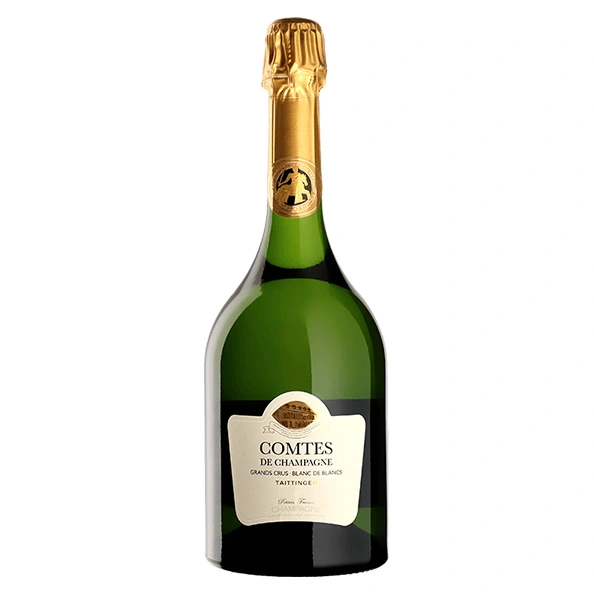
Champagne
View loose bottle(s) and 3/6 pack case(s) available.

Champagne
View loose bottle(s) and 6 pack case(s) available.
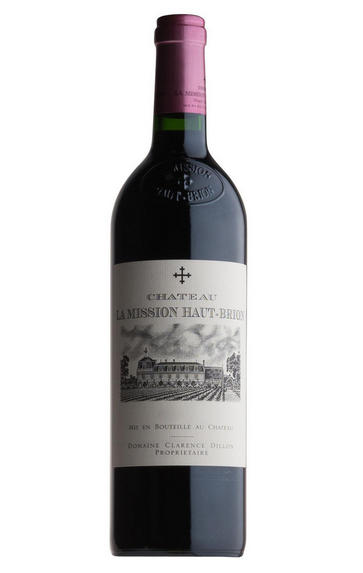
Bordeaux
View loose bottle(s) and 12 pack case(s) available.

Champagne
View 6 pack case(s) available.

Pricing includes duty and VAT.
Want To
get In TouchPlease contact the LiveTrade team today for more information or to book a demo.
Contact us