Search

Logo - Slate Created with Sketch.

Bordeaux 2025: The Best We’ve Tasted En Primeur?

David Thomas, Bordeaux Index

23 April 2026

En Primeur is, by nature, an intense and fast-moving week, and Bordeaux 2025 has followed that familiar rhythm.

A large Bordeaux Index contingent has just spent the week in Bordeaux tasting the 2025 vintage. Despite En Primeur having a bumpy ride in recent years, we made the decision to redouble focus on what was anecdotally a very interesting vintage and coming at what is perceived to be something of a 'crunch-point' for Bordeaux in the marketplace.

Untitled-4-1

Bordeaux Index with the Team at Le Pin

Initial impressions from David Thomas

It is a funny old merry-go-round of jumping on and off our bus for the week, ducking in and out of château after château and tasting the wines from 2025, 30 minutes between each tasting makes the days extremely long, nonstop and at times rushed to keep the team on schedule...a typical morning could be 9am at Calon Segur then Montrose, Phelan Segur, Cos, Mouton, quick sandwich and then Palmer, Margaux, Rauzan Segla, Brane Cantenac etc... For five full days across all the major appellations and both left and right banks. Sounds like a complete dream to some, and believe me it is, also a massive privilege but it is serious and the owners and wine makers are both proud and nervous, it's a year’s work coming down to one week of teams of merchants from all over the world tasting, taking notes, all desperate to get out their first impressions of the vintage, catch the eyes and ears of their clients in anticipation of the campaign to follow.  

I absolutely love the EP tasting week, seeing many old friends and faces, talking viticulture and oenology to a geeks level with the producers and most importantly trying to understand the latest vintage, the constant chats about annual weather patterns, rainfall, daily temperature ranges, fermentation techniques, pre or post fermentation maceration, sorting tables or optic machines, it would in all honesty bore the pants of most people, but it is what we do and why we work in the wine trade.  

A quietly lauded vintage

You get the early impression that the château know just how good these wines are this year, but they are not singing about them just yet, obvious market conditions have left many cautious and apprehensive but there is a definite underlying confidence in the wines of St Julien and Pauillac, they have been a revelation, let's say like 2016 in essence but with so much more elegance and grace, hidden power and structure but with masterful tannin management, the team has left most tastings with a real buzz of excitement and chatter how much they loved the last tasting session.  

Image 9

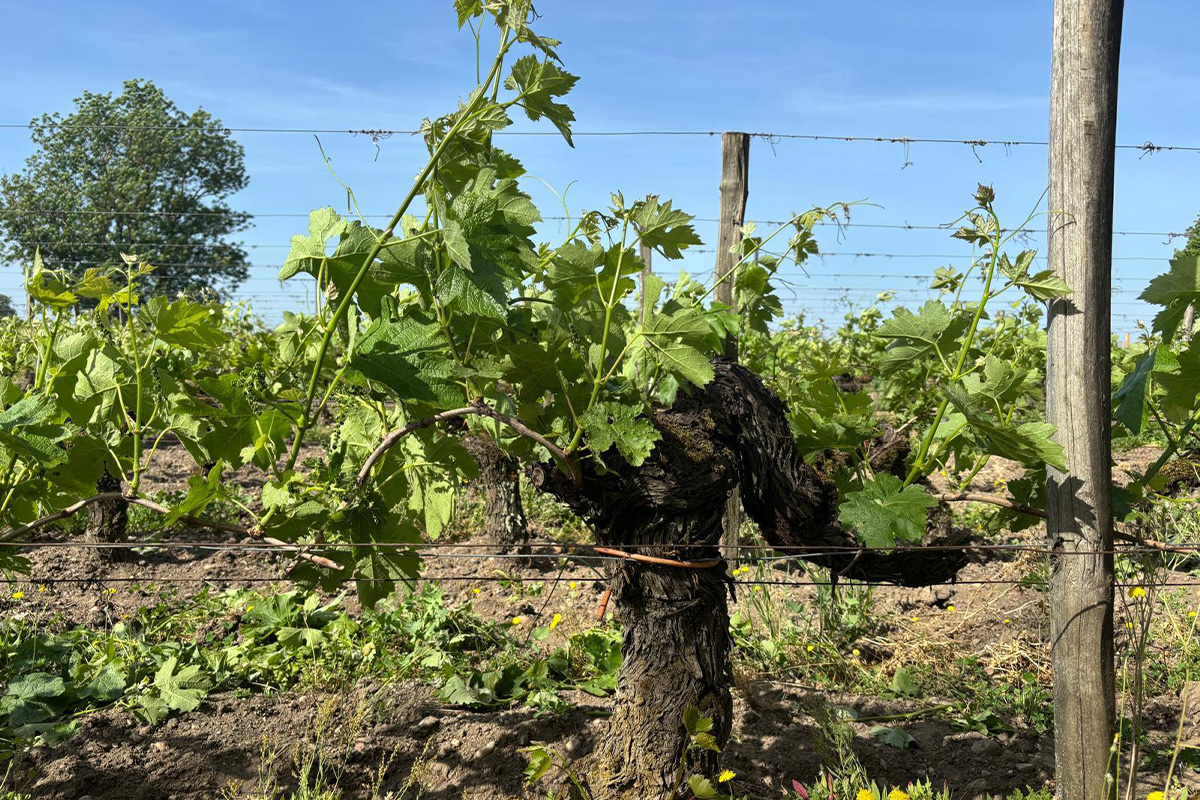
Vines at Vieux Château Certan, the oldest vines on the Right Bank

Stylistically, Bordeaux continues its evolution. Over the past decade, we’ve seen a marked shift driven by climate, improved viticultural understanding and changing consumer expectations. The result is a generation of wines that can be approached and appreciated in their youth, yet still retain the structure and balance required for long-term ageing. The 2025s sit firmly within this trajectory, refined, expressive and increasingly precise.  

While pricing is out of our control, we regularly share market context, based on our market-leading LiveTrade platform, with our partners in Bordeaux, so we shall also not speculate on that here.

A Series of Climatic Contrasts

The growing season presented a series of climatic contrasts. A mild winter encouraged an early budbreak, followed by a dry spring which helped maintain clean, healthy canopies and set the vines up well for uniform ripening. Through the early part of the season, conditions were relatively straightforward, certainly more so than the previous year.

Summer then brought intensity. Prolonged dry conditions and periods of extreme heat, including stretches above 35°C, introduced significant hydric stress. Berries remained small and concentrated, with strong colour development, yet phenolic ripeness needed careful management as sugars climbed quickly.

Crucially, late summer rains arrived at exactly the right moment. These rains proved decisive, restoring vine water balance, lowering temperatures and allowing for a slower, more even and controlled ripening cycle. In many cases, this intervention quite literally saved the vintage, bringing potential alcohol levels back into balance and unlocking phenolic maturity.

Untitled design (2)

Harvest decisions were key. Across the Left Bank, most estates chose to pick earlier than usual, in many cases beginning mid-August and finishing by mid-September. This early, precise harvesting window reflects the need to capture freshness and control alcohol, while preserving the integrity of the fruit. Margaux stood apart, taking the calculated risk of pushing picking later into September.

The result is a vintage that combines concentration with control, wines showing deep colour, dense yet precise tannic structures and a sense of tension throughout. 

For the wines, they truly are an astonishing set across both communes with highlights in abundance.  

Highlights from the Left Bank

A few highlights include best ever Ormes de Pez from JC, also a massive shout to Echo de Lynch Bages, Lafite left us speechless end of, Christian Seely has smacked it out of the park with his Baron, no point talking about Latour as you will not see it for 10+ years, but it is epic. Las Cases, yes please, Montrose, best value wine in Bordeaux, answers on a postcard please. Margaux is extraordinary, Palmer is Palmer...if you know what I mean and the prize for the most harmonious and just damn right stunningly pretty wine has to go to Pontet Canet, it's so so pure.  

Image 7

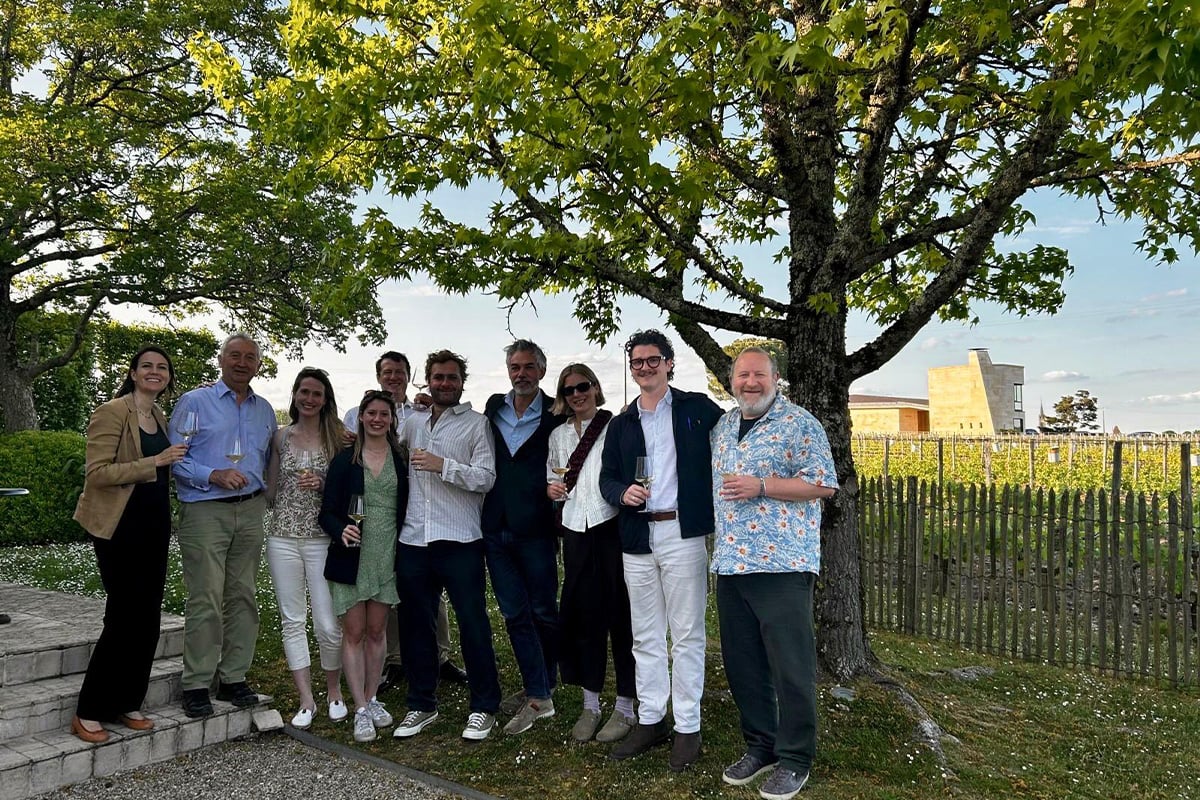
Team Lunch in St. Emilion

 HIGHLIGHTS FROM THE RIGHT BANK, Joe Marchant

An intensely deep and tingling Lafleur that you taste all the way down to the roots of your teeth, now stepping outside the traditional system altogether and making a strong case as the greatest “Vin de France” ever made, a Pensee that combines charm, depth and precision. VCC, fresh cashmere elegance with an acidity that makes the filigree tannins dance across your palate. Marielle Cazaux's kaleidoscopically sensuous La Conseillante, that caresses and vibrates parts that even Chambolle Amoureuses might struggle to reach. And just along the road, the dark powerhouse of Evangile, cloaked in purest silk, approachable even now.

In St Emilion, the finest Troplong Mondot I've ever tasted, linear and powerful, but superbly weighted and tangy. A Canon that is, forgive the cliché, cut from the same Haute Couture cloth as sister property Rauzan Segla over the river, spicy, fragrant with a luscious mid palate in perfect balance with the long finish. Impeccable, joyful sets of wines from the Durantous, Thienponts and Vautiers, aside from the obvious, send me those Alcee, Haut Simard, Fonbel, Cruzelles, Saintaymes in halves and I'll drink them now. They're wonderful wines and incomprehensibly well valued. Clinet, a joy, Grand Village, sensational, an Ausone that's like a Michelangelo sculpture, already with greater lucidity and approachability than vintages a decade old. I could go on, but suffice to say, there are more wines on this trip that I've had a genuine lust to buy than almost any I can remember and we haven't even reached the Moueix's yet.

The Rise of Second Wines

One of the most exciting themes of the vintage has been the quality of the second wines.

Across both the Left and Right Banks, these wines have shown remarkable depth and character, far exceeding expectations in many cases. The team has repeatedly come away surprised not only by their complexity, but by their immediate drinkability. There is a real sense that these wines are no longer simply second wines, but fully realised expressions in their own right. They offer approachability, polished tannins and a velvety texture that makes them incredibly attractive in youth, without sacrificing structure.

La Dame de Montrose stands out as a particularly strong example, balanced, expressive and deeply satisfying. Fort de Latour impressed with its precision and quiet authority, while Echo de Lynch-Bages was, quite simply, sensationally good. 

Image 6

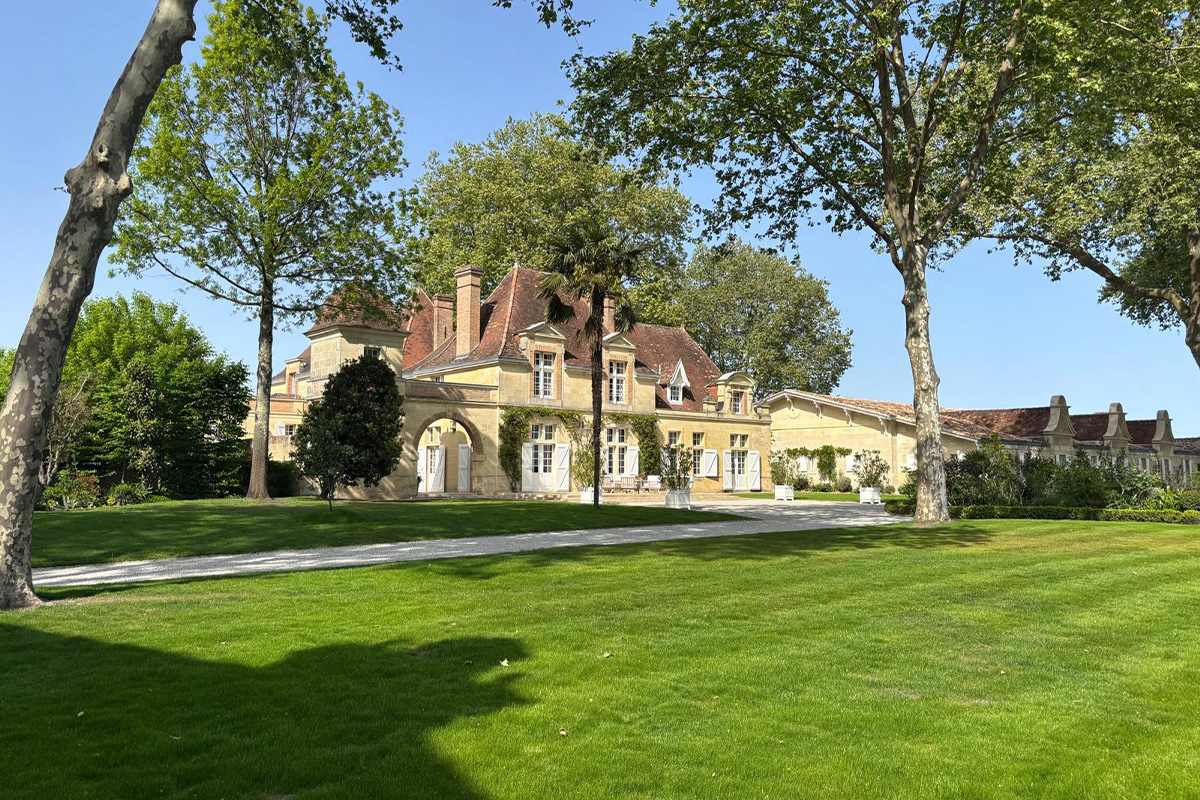
 The Sun Shines Across Château Latour 

Final Thoughts: A Quiet Confidence

Producers are not shouting about the vintage; market conditions have understandably encouraged caution, but beneath the surface, there is a strong belief in what has been achieved. From what we have seen in these early tastings, that belief is well placed. This is a vintage defined not by opulence, but by control. Not by excess, but by precision. Wines of elegance, clarity and composure, built on careful decision-making in a challenging year.  

Untitled design (3)

We want to emphasise that regardless of your enthusiasm or scepticism towards En Primeur, this is a vintage to look very closely at for long-term drinking, including taking advantage of being able to choose halves, magnums and larger formats when you buy on release.

As the campaign unfolds, pricing will be critical, but if aligned correctly, Bordeaux 2025 has the potential to re-engage collectors and reward those willing to take a close and considered look.

My Basket

Order Summary
View Basket