
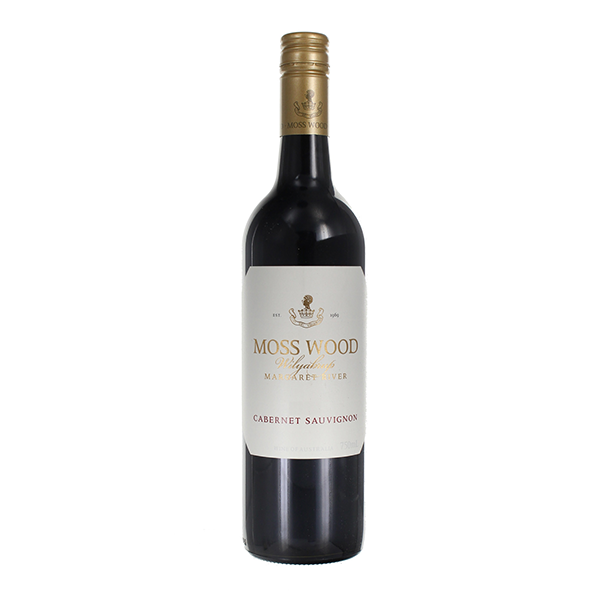
Tasting Notes and Scores
The 2004 Cabernet Sauvignon Estate spent 24 months in 50% new French oak. There is a small quantity of Cabernet Franc and Petit Verdot included in the blend. Deep crimson-colored, it gives up an alluring perfume of pain grille, spice box, tar, black currant, and blackberry liqueur. This is followed by a harmonious, well-integrated wine reminiscent of a classified growth Saint-Julien from a good vintage. This elegantly rendered wine will develop in bottle for 8-10 years and provide pleasure through 2030.
Wine Advocate
The 2004 Cabernet Sauvignon Estate spent 24 months in 50% new French oak. There is a small quantity of Cabernet Franc and Petit Verdot included in the blend. Deep crimson-colored, it gives up an alluring perfume of pain grille, spice box, tar, black currant, and blackberry liqueur. This is followed by a harmonious, well-integrated wine reminiscent of a classified growth Saint-Julien from a good vintage. This elegantly rendered wine will develop in bottle for 8-10 years and provide pleasure through 2030. Moss Wood Winery, located in the Margaret River GI in Western Australia, is owned by Keith and Clare Mugford. Fruit is sourced from their estate vineyards and purchased from selected individual vineyards but never intermingled. Total production ranges from 12,000 to 15,000 cases. Importer: Michael Opdahl, Joshua Tree Imports, Duarte, CA; www.mosswood.com.au; Also tasted: 2005 Chardonnay”Moss Wood Vineyard” (82), 2005 Merlot “Ribbon Vale Vineyard” (82), 2005 Cabernet Sauvignon – Merlot “Ribbon Vale Vineyard” (83)
Jay S Miller
Wine Advocate
2007-10-31
Very deep crimson and a very complex nose (there was no 2003). Deep-flavoured and rich but with excellent freshness too. Great balance. Covers the palate all of its length and breadth. Surely one of Australia’s classics. Savoury finish – not at all sweet and specious. (JR)
Jancis Robinson
Jancis Robinson
2008-03-27
The fruit was hand picked, destemmed into open tanks, hand plunged four times a day until dryness, after which it was plunged twice a day and monitored for tannin extraction. The temperature in the fermenters was monitored so that it did not exceed 30°C. Once the wine had achieved its best tannin balance, it was pressed and racked into barrel for malolactic fermentation. Typically, Moss Wood Cabernet is left on skins for ten to 14 days post fermentation: the 2004 averaged 14 days. In the first year, the batches were kept separate for barrel trials and monitored. After a year, all batches were combined and then racked back into barrel as a final blend. At the end of the second year, the wine was filtered and bottled on 7 May 2006. Sweet vanilla-laced nose and rich bramble fruit. Tight and fine and fine-boned on the palate. Peppery dry and elegant. Leaner style not expected from nose. Beautifully structured though the oak is a bit evident at the moment. (JH)
Julia Harding MW
Jancis Robinson
2009-08-19
Western Australia
View 12 pack case(s) available.
Western Australia
View 12 pack case(s) available.
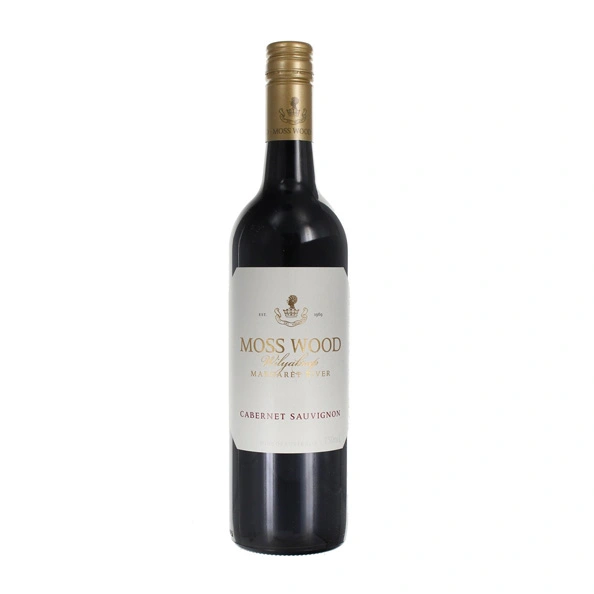
Western Australia
View loose bottle(s) available.
Western Australia
View loose bottle(s) available.

Pricing includes duty and VAT.
Want To
get In TouchPlease contact the LiveTrade team today for more information or to book a demo.
Contact us